

Isaac Asimov
Biography
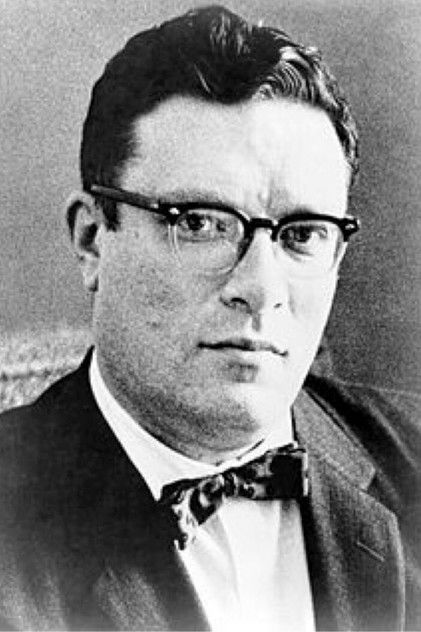
Isaac Asimov (born Isaak Yudovich Ozimov, January 2, 1920 – April 6, 1992) was an American author and professor of biochemistry at Boston University, best known for his works of science fiction and for his popular science books. Asimov was one of the most prolific writers of all time, having written or edited more than 500 books and an estimated 9,000 letters and postcards. His works have been published in nine of the ten major categories of the Dewey Decimal System (The sole exception being the 100s: philosophy and psychology, although he did write a foreword for The Humanist Way, which is published in the 100s).
Isaac Asimov is widely considered a master of hard science fiction and, along with Robert A. Heinlein and Arthur C. Clarke, he was considered one of the "Big Three" science fiction writers during his lifetime. Asimov's most famous work is the Foundation Series; his other major series are the Galactic Empire series and the Robot series, both of which he later tied into the same fictional universe as the Foundation Series to create a unified "future history" for his stories much like those pioneered by Robert A. Heinlein and previously produced by Cordwainer Smith and Poul Anderson. He wrote many short stories, among them "Nightfall", which in 1964 was voted by the Science Fiction Writers of America the best short science fiction story of all time. Asimov wrote the Lucky Starr series of juvenile science-fiction novels using the pen name Paul French.
The prolific Asimov also wrote mysteries and fantasy, as well as much non-fiction. Most of his popular science books explain scientific concepts in a historical way, going as far back as possible to a time when the science in question was at its simplest stage. He often provides nationalities, birth dates, and death dates for the scientists he mentions, as well as etymologies and pronunciation guides for technical terms. Examples include his Guide to Science, the three volume set Understanding Physics, Asimov's Chronology of Science and Discovery, as well as numerous works on astronomy, mathematics, the Bible, William Shakespeare's works and, of course, chemistry subjects.
Asimov was a long-time member and Vice President of Mensa International, albeit reluctantly; he described some members of that organization as "brain-proud and aggressive about their IQs." He took more joy in being president of the American Humanist Association. The asteroid 5020 Asimov, a crater on the planet Mars, the magazine Asimov's Science Fiction, a Brooklyn, New York elementary school, and one Isaac Asimov literary award are named in his honor.
Description above from the Wikipedia article Isaac Asimov, licensed under CC-BY-SA, full list of contributors on Wikipedia.
Known For
History 101
Self (archive footage)
The Real History of Science Fiction
Himself (archive footage)
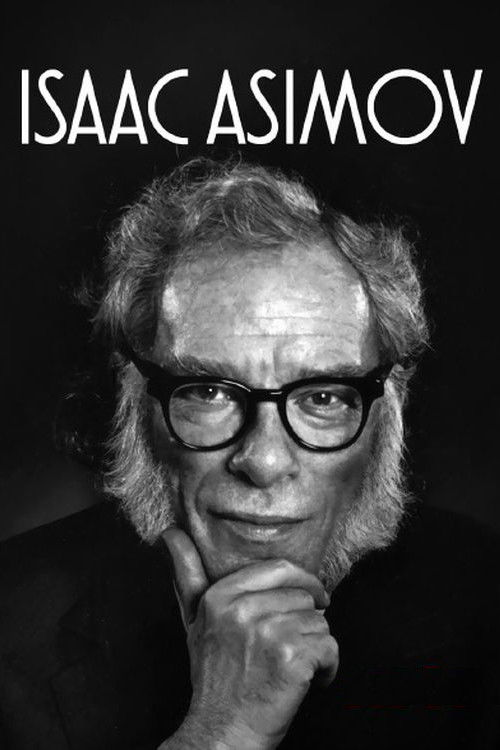
Isaac Asimov: A Message to the Future
Self (archive footage)
The Mike Douglas Show
Self
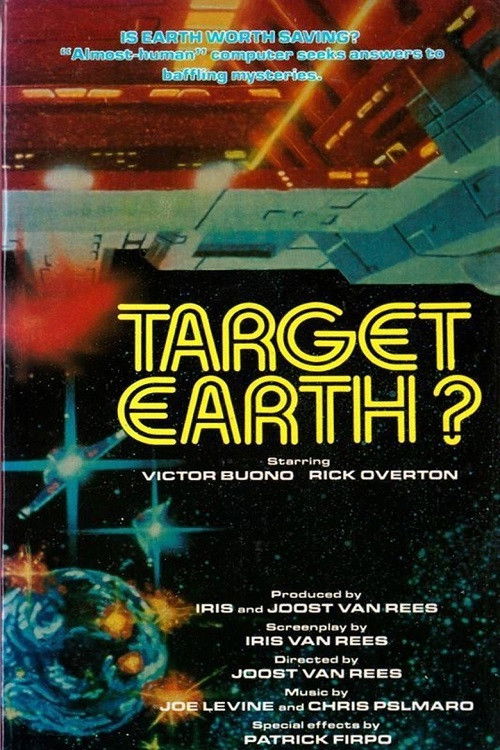
Target... Earth?
Self
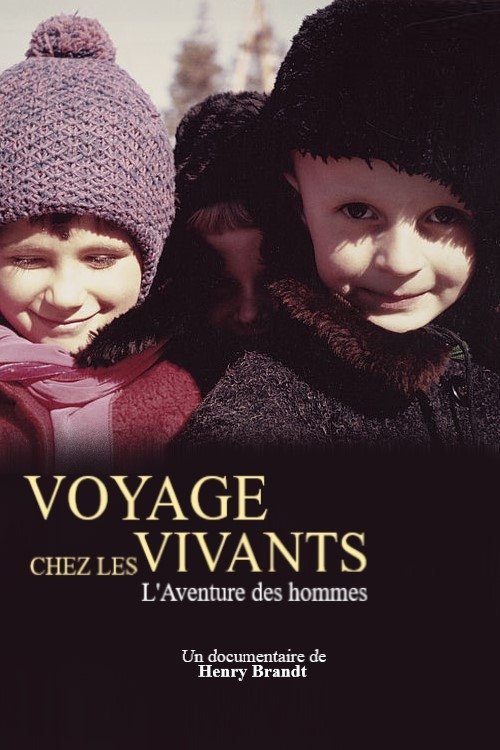
Voyage chez les vivants - L'Aventure des hommes
Lui-même
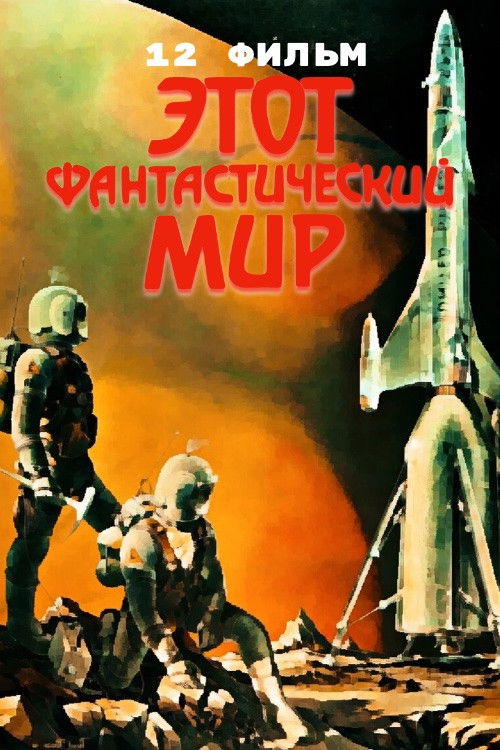
This Fantastic World 12
(archive)

The Magnificent Major
Self - Guest Host